
Blog
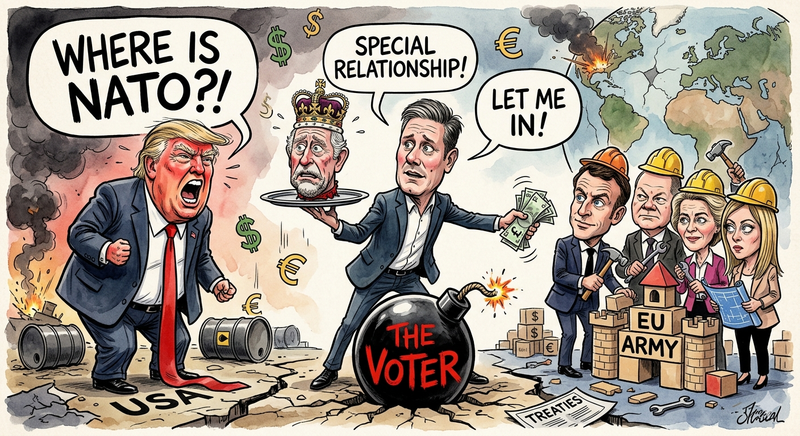
The Iran War: A Masterclass in How to Set Your Wallet on Fire (and Why the Elites Love the Smell)
Well, buckle up. We finally found a way to make a barrel of oil more expensive than a modest apartment in Zurich. I’ve been watching Steve Keen - the "rebel economist" who predicted the 2008 crash.
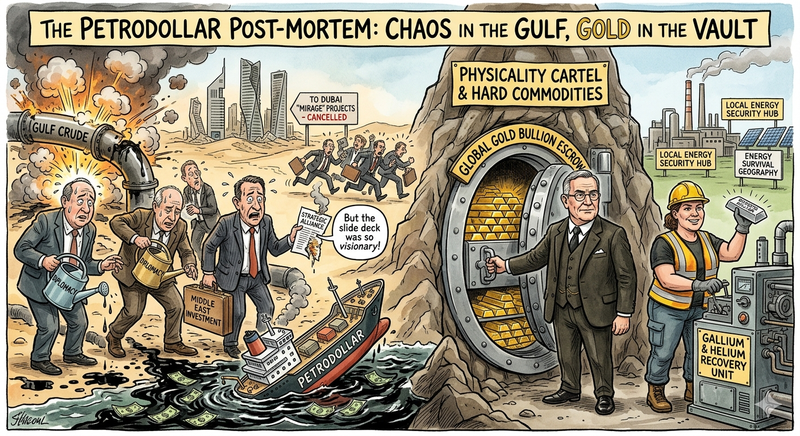
The Great Gulf Liquidation Event
For fifty years, the global financial system operated on a beautiful, mafia-esque handshake: The Gulf pumps the oil, the world buys it in US Dollars, and the Gulf takes those dollars and parks them in US Treasuries. It was the ultimate recycling program.

The New Gold Standard: Trusting a Man Named Hans More Than Your Central Bank
Nobody saw this coming. Well, a few people did, and they're currently unreachable because they're somewhere in the Alps standing next to a pallet of gold bars with a very satisfied expression. But the rest of us? Blindsided. Welcome to the New Gilded Age!!!! - and I don't mean that in the Thomas Piketty, inequality-is-now-load-bearing sense, though sure, that too.
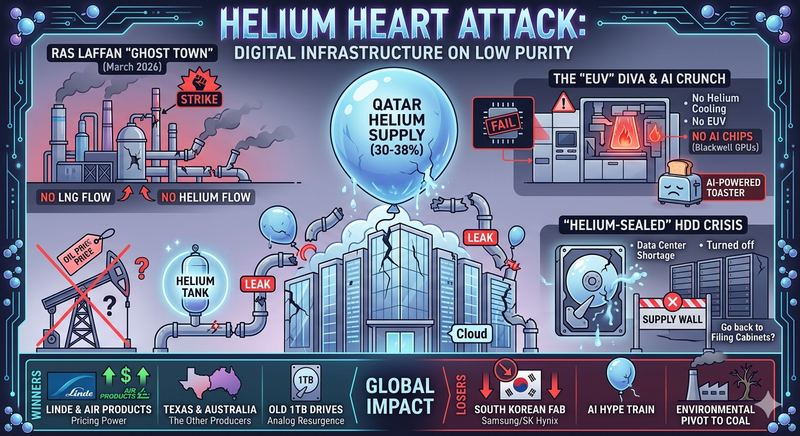
No OIL - No Industrial gases: NO Cloud for your Data
While everyone is staring at the price of Brent Crude, the real drama is happening in the invisible world of industrial gases. Specifically, the world has just discovered that the "Cloud" is actually held up by a very finite, very Qatari supply of helium.
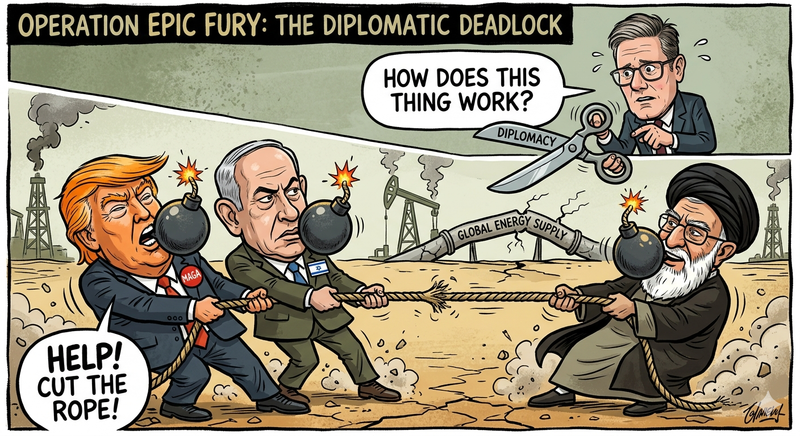
"Epic Fury Q1 2026: A Stakeholder Update on the End of Everything"
It's been nearly a month since the US-Israeli strikes on February 28 blew up the nuclear negotiations - literally - and sent the Strait of Hormuz into what diplomats are carefully not calling a complete catastrophe. "Operation Epic Fury," by the way, sounds less like a strategic military campaign and more like a energy drink for divorced men. But here we are. The Strait is closed, oil is north of a hundred bucks a barrel, and half the world is being told to dress for the weather they want, not the grid they have.
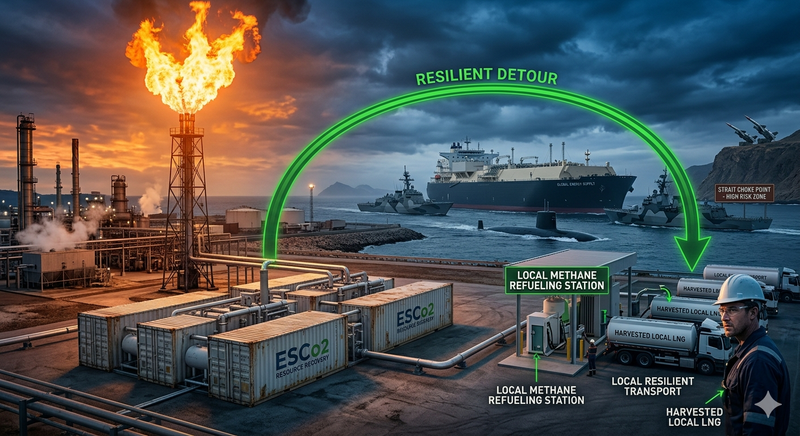
The Great Irony of Energy Security
This article explores the “great irony” of modern energy security: as economies push to decarbonize, they remain exposed to the same high-risk chokepoints that have long driven volatility. It highlights how disruptions in the Strait of Hormuz can ripple through LNG supply chains and energy costs worldwide, underscoring the need for practical, near-term emissions reduction strategies that also strengthen operational stability.